
Table of Contents
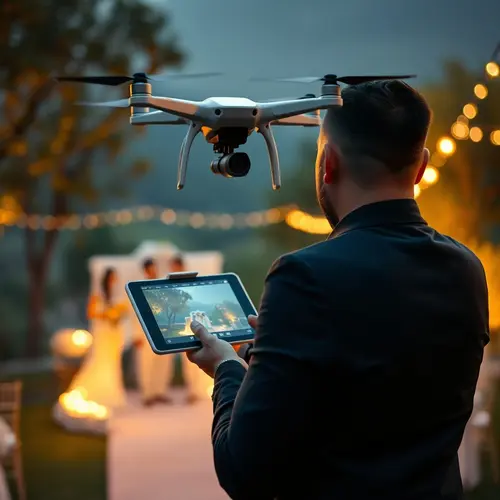
A drone tool transforms wedding photography by capturing aerial perspectives that traditional cameras cannot reach. These specialized software applications and control systems enable photographers to execute complex flight patterns, track subjects automatically, and deliver cinematic footage that elevates the entire wedding film. Understanding which features matter most saves time during high-pressure wedding days and ensures couples receive breathtaking aerial memories.
Why Wedding Photographers Need a Professional Drone Tool
Wedding videography has evolved beyond stationary tripods and handheld gimbals. Aerial footage adds production value that clients increasingly expect as standard.
The right drone tool handles flight planning, obstacle avoidance, and shot execution while the photographer focuses on composition and storytelling. According to the Professional Photographers of America, aerial wedding coverage has become one of the fastest-growing service add-ons in the industry.
Without proper tools, operators risk flyaways during ceremonies, battery failures during critical moments, and footage that lacks the smooth cinematic quality couples desire. Professional-grade control applications prevent these disasters through automated safeguards and intelligent flight assistance.
Core Features Every Wedding Drone Tool Must Have
Automated Flight Paths and Waypoint Mapping
Pre-programmed flight routes eliminate guesswork during live ceremonies. A quality drone tool allows photographers to map venues during rehearsals, marking precise waypoints for ceremony entrances, vow exchanges, and recessional exits.
These automated sequences run independently while the photographer operates ground cameras. The drone executes reveal shots, orbit movements, and pull-away aerials without manual piloting.
Waypoint systems also enable repeatable shots across multiple weddings. Once perfected, a signature aerial movement becomes part of the photographer’s brand identity.
Intelligent Object Tracking with Subject Lock
Manual tracking of moving subjects demands exceptional piloting skill. Advanced tracking algorithms within a drone tool lock onto the couple during processionals, first dances, and sparkler exits.
The system maintains framing automatically as subjects move through crowds or across large venues. This feature proves invaluable during unpredictable moments like surprise proposal re-enactments or choreographed entrances.
Leading platforms use machine learning to distinguish between the target couple and guests, preventing focus shifts when other people cross the frame.
Real-Time Obstacle Detection and Geofencing
Wedding venues present unique hazards: tree branches near ceremony sites, building overhangs at reception halls, and temporary structures like tents. A reliable drone tool incorporates multi-directional sensors that detect obstacles and automatically adjust flight paths.
Geofencing capabilities create virtual boundaries around restricted areas such as airports, government buildings, or areas specified by venue contracts. The Federal Aviation Administration requires compliance with airspace regulations, and sophisticated tools enforce these limitations automatically.
Some systems integrate real-time weather data, alerting operators to wind speeds that exceed safe flight parameters. This prevents equipment damage and ensures consistent footage quality.
Technical Specifications That Matter
| Feature Category | Professional Requirement | Impact on Wedding Work |
|---|---|---|
| Battery Management | Hot-swap capability, charge monitoring | Continuous coverage during 8-hour events |
| Video Resolution | 4K minimum at 60fps | Slow-motion capability for dramatic moments |
| Gimbal Stabilization | 3-axis mechanical with digital enhancement | Smooth footage in windy outdoor conditions |
| Control Range | Minimum 1 mile line-of-sight | Coverage of large estates and outdoor venues |
| Low-Light Performance | Adjustable ISO up to 6400 | Twilight ceremonies and evening receptions |
Integration with Professional Editing Workflows
Post-production efficiency depends on how well a drone tool integrates with editing software. The best systems export footage with embedded metadata including GPS coordinates, altitude, and gimbal angles.
This technical information helps editors match aerial shots with ground footage during color grading. LUT (Look-Up Table) profiles specific to drone sensors ensure consistent color science across all cameras used during the wedding.
Cloud-based tools enable immediate backup of footage to redundant storage. Wedding photographers cannot afford to lose irreplaceable moments, and automated backup systems provide essential protection.
Regulatory Compliance and Safety Protocols
Operating drones commercially requires a Part 107 Remote Pilot Certificate from the FAA. Professional drone tool platforms include compliance checklists that verify airspace authorization before each flight.
Some venues near airports require LAANC (Low Altitude Authorization and Notification Capability) approval. Advanced tools submit these requests automatically and display real-time authorization status.
Insurance companies increasingly scrutinize equipment and operational procedures. Documented safety protocols built into control software demonstrate professional standards that can lower liability premiums.
Expert Opinion: The Hidden Limitation Nobody Discusses
Most wedding photographers focus exclusively on camera specs and flight features. The critical limitation that separates amateur operators from professionals is audio synchronization capability.
Drones cannot capture ceremony audio due to propeller noise. A sophisticated drone tool includes timecode synchronization with ground-based audio recorders, enabling seamless alignment during editing. This technical detail makes the difference between disconnected aerial b-roll and emotionally resonant wedding films where vows play over aerial reveals.
Practical Implementation Strategy
Start with venue reconnaissance at least one day before the wedding. Use the drone tool mapping features to identify optimal launch points, potential obstacles, and backup landing zones.
Program three standard sequences that work for most weddings:
- Venue reveal: wide establishing shot pulling back from ceremony site
- Processional orbit: 360-degree rotation around the couple at 15 feet altitude
- Recessional follow: tracking shot following the couple down the aisle
Always maintain line-of-sight and position a spotter during critical moments. Even with automated systems, human oversight prevents equipment failures from ruining once-in-a-lifetime shots.
The right drone tool makes aerial wedding photography accessible to photographers without extensive piloting backgrounds. Automation handles technical complexity while the artist focuses on capturing emotion and story. Investing in professional-grade control systems protects both equipment and reputation while delivering the cinematic quality that defines modern wedding films.

I'm Arjun, a Bali-based wedding organizer with over 5 years of experience in beach parties, live music, bridal makeup and catering. I share practical destination-wedding guides from real events.


More Stories
Professional Drone With Camera: 7 Buying Tips That Matter
Master the Lens: A Photography Course for Beginners
Celebrate Your Love in Style: Find the Perfect USA Wedding Photographer for Stunning Forever Memories