
Table of Contents
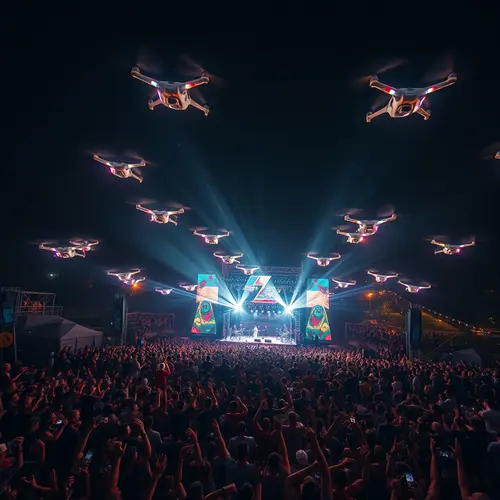
A drone events is a coordinated flight operation designed for live audiences, broadcast, or commercial capture. Organizers blend aviation safety with creative production to deliver a seamless show that meets both regulatory and artistic goals. Understanding the regulatory baseline is the first step toward a successful execution.
Why drone events Require Specialized Planning
Complex airspace rules, crowd safety, and equipment redundancy make drone events distinct from standard video shoots because each flight must be choreographed to music, lighting cues, and camera angles. A detailed risk assessment protects both the crew and spectators while satisfying local fire marshal requirements. Early coordination with municipal authorities reduces last‑minute surprises and secures necessary permits.
Securing Airspace for drone events
FAA Part 107 waivers often dictate altitude limits and proximity to people. Filing a waiver at least 90 days ahead gives the agency time to review. According to FAA guidance, a complete application includes a site map, emergency procedures, and pilot credentials.
Pilot Certification and Insurance
Every operator must hold a current remote pilot certificate and carry liability coverage that matches the event scale. The National Association of Broadcasters recommends a minimum of $1 million in general liability for public shows. Verified documentation should be on‑site for inspectors.
Drone Events – Weather and Environmental Factors
Wind shear, temperature inversions, and precipitation can degrade GPS reliability and battery performance. The National Weather Service advises checking forecasts at least three hours before launch. A pre‑flight weather briefing should be documented in the flight log.
High humidity may cause condensation on sensors, while extreme cold reduces flight time by up to 30 percent. Adjust payload weight and flight plans accordingly to maintain safety margins.
Communication Protocols
Dedicated radio channels and visual hand signals keep the pilot, spotters, and ground crew synchronized during complex maneuvers. Redundant links such as a secondary 2.4 GHz telemetry feed prevent loss of control if primary RF fails. As reported by The Wall Street Journal, clear communication reduces incident rates by nearly 40 percent.
Standardized call‑outs for altitude changes, waypoint arrivals, and emergency aborts create a shared mental model across the team. Practice drills before the event day reinforce these procedures.
Core Logistics Checklist
Use this quick reference to keep the production on track.
- Confirm venue permissions and noise ordinances.
- Obtain airspace authorization and file waivers.
- Validate pilot certificates and insurance policies.
- Prepare redundant batteries and backup aircraft.
- Schedule a pre‑flight safety briefing with all crew.
- Document emergency landing zones and contact numbers.
Drone Events – Technical Comparison of Common Platforms
The table below highlights key specs for three popular UAV models used in live productions.
| Platform | Max Flight Time | Payload Capacity | Typical Use |
|---|---|---|---|
| Model A | 27 min | 1.2 kg | Cinematic filming |
| Model B | 31 min | 2.0 kg | Live broadcast |
| Model C | 22 min | 0.8 kg | Photography |
Post‑Flight Data Review
Telemetry logs, video footage, and sensor readings should be archived within 24 hours of the show. Automated scripts can flag anomalies such as unexpected altitude deviations or battery voltage drops. This data supports continuous improvement and regulatory audits.
Cross‑referencing flight plans with actual trajectories reveals areas where airspace buffers were exceeded. Lessons learned feed directly into the next risk assessment cycle.
Drone Events – Sustainability and Noise Management
Electric propulsion already lowers carbon output, but operators can further reduce impact by optimizing flight paths for minimal hover time. Selecting quieter propeller designs helps meet community noise ordinances without sacrificing performance.
Partnering with local environmental groups for post‑event cleanup demonstrates corporate responsibility and can ease future permitting.
Drone Events: Real‑World Scenario
During a high‑profile drone events production, sudden RF interference caused a loss of GPS lock on the primary aircraft. The pilot instantly switched to attitude mode, maintained visual line of sight, and completed the choreography without incident. This experience underscores the value of manual‑flight proficiency and redundant communication links.
Thorough planning, regulatory compliance, and crew readiness form the backbone of any successful drone events operation. Apply the checklist, respect the airspace, and train for contingencies to protect both people and equipment.

I'm Arjun, a Bali-based wedding organizer with over 5 years of experience in beach parties, live music, bridal makeup and catering. I share practical destination-wedding guides from real events. I have published 2,425 wedding guides here since 2022.


More Stories
Drone Water Shots: 7 Stunning Wedding Techniques
Pure Enchantment: Romantic Wedding Dresses That Capture the Heart Instantly
Pinterest Perfect: Trending Wedding Themes and Décor