
Table of Contents
Capturing your special day from above adds a cinematic dimension that ground-level photography simply cannot match, but not all wedding venues offer the airspace freedom or physical layout that drone operators need. Choosing a destination location that welcomes aerial coverage requires looking beyond aesthetic appeal to examine local regulations, physical obstacles, and venue-specific policies. The right choice means stunning overhead shots of your ceremony and reception without last-minute surprises or grounded equipment. Understanding what makes a venue drone-ready before you book saves time, money, and disappointment when your big day arrives.
Destination weddings already involve complex logistics, from coordinating guest travel to navigating unfamiliar local requirements. Adding drone videography to your plans introduces another layer of consideration that many couples overlook until it’s too late. The venues that photograph beautifully at ground level may present unexpected challenges when you need clear flight paths and regulatory compliance for aerial work.
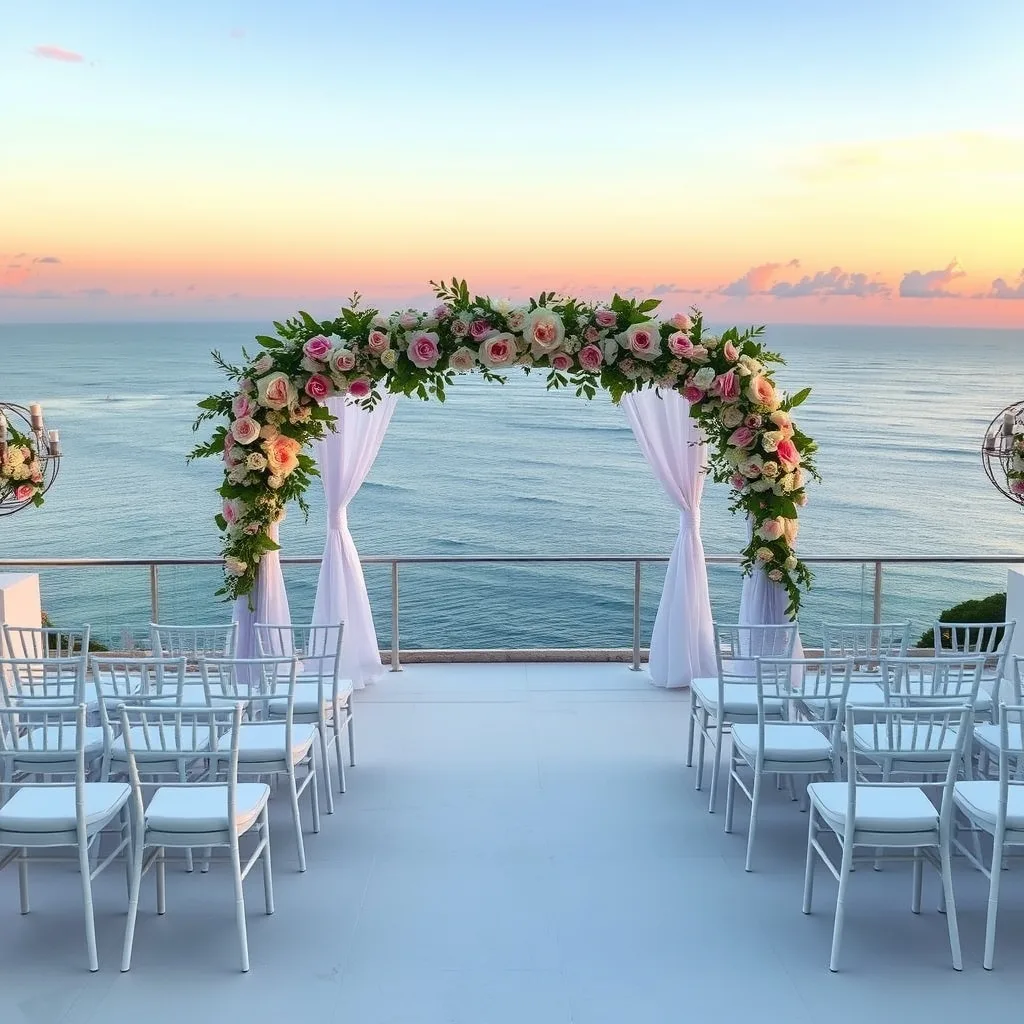
Wedding Venues Compared: What Matters Most
Different venue types present distinct advantages and obstacles when planning for drone coverage. Beachfront locations typically offer unrestricted skies and dramatic natural backdrops, making them popular choices for couples who want sweeping aerial shots of their celebration against ocean horizons. However, coastal winds can ground drones unexpectedly, and some beach municipalities restrict commercial drone operations during peak tourist seasons. Wedding venues near water also require pilots to manage reflective surfaces that can interfere with sensors and positioning systems.
Vineyard estates and garden properties provide stunning scenery but demand careful vetting of their airspace restrictions and physical layouts. Private estates may welcome drone operators more readily than venues located near airports or within controlled airspace zones. Tree coverage, overhead wires, and neighboring properties can limit where drones can safely launch and fly, even when the venue itself permits aerial photography. Understanding these limitations helps you match your vision to wedding venues that can actually deliver the footage you want.
| Venue type | Strength | Watch out |
|---|---|---|
| Beachfront | Open skies | Wind gusts |
| Vineyard estate | Scenery | Flight permissions |
| Rooftop | City backdrop | Restricted zones |
| Garden | Privacy | Trees and wires |
How to Vet a Venue for Aerial Coverage
Before signing any contracts, contact the venue directly to ask about their drone policy and any past aerial shoots they’ve hosted. Many wedding venues have established relationships with drone operators and can provide guidance on local regulations, insurance requirements, and optimal flight times during your event. Request information about nearby airports, military installations, or temporary flight restrictions that might affect your date. Some venues can facilitate permits or coordinate with local authorities, while others leave all regulatory compliance to you and your videographer.
Visit potential wedding venues with your drone operator if possible, or at minimum share detailed site maps and photographs with them before booking. Professional pilots can identify obstacles you might miss, from power lines hidden in tree canopy to reflective building surfaces that create navigation hazards. Ask about backup plans if weather or technical issues ground the drone, and confirm whether the venue allows multiple flight windows throughout your event. The best wedding venues for drone work offer flexible scheduling, clear communication about restrictions, and realistic expectations about what aerial coverage can capture on your wedding day.
Questions to Ask Any Venue
Before signing any contract, prepare a comprehensive list of questions that address your specific needs and concerns. Wedding venues often have unique policies regarding everything from catering to decorating, so clarifying these details upfront prevents misunderstandings later. Taking notes during your tour helps you compare options objectively once you visit multiple locations. The answers you receive will reveal whether a space truly aligns with your vision and budget.
Start with practical logistics like guest capacity, available dates, and what happens if weather affects your outdoor ceremony. Ask about parking availability, accessibility features for guests with mobility needs, and whether there are noise restrictions or time limits. Understanding the setup and breakdown timeline is crucial, especially if you need extra hours for decorating or want your reception to continue late into the evening. Many couples overlook asking about backup power sources or climate control until it becomes a problem.
Inquire about vendor restrictions, since some venues require you to use their preferred caterers or have approved lists for other services. Find out what is included in the rental fee versus what costs extra, from tables and chairs to sound systems and lighting. Ask to see the space set up for an actual event if possible, as empty rooms can look dramatically different when decorated. Understanding cancellation policies and payment schedules protects you financially if circumstances change.
Timing Your Booking Right
The timeline for securing wedding venues varies significantly depending on your location, season, and how popular the space is within your community. Most couples begin their venue search twelve to eighteen months before their desired date, though destination locations or peak season weekends may require even more advance planning. Flexibility with your date opens up more possibilities and can sometimes lead to better pricing or added perks. Starting early gives you time to visit multiple options, compare contracts carefully, and make an informed decision without pressure.
Peak wedding season typically runs from late spring through early fall, when demand drives both availability and pricing. Off-season bookings during winter months or weekday celebrations often come with reduced rates and more personalized attention from venue staff. Consider how seasonal weather might affect your plans, particularly for outdoor or partially covered spaces.
- Book popular Saturday evening slots at least fifteen months ahead to secure your preferred date
- Friday evenings and Sunday afternoons provide more availability while still offering weekend convenience for guests
- Weekday weddings in January through March can reduce venue costs while maintaining full access to your top choice location
Verdict
Selecting drone-friendly wedding venues requires balancing aesthetic appeal with practical flight considerations and regulatory compliance. The most photogenic locations may not always offer the airspace access or physical layout that drone operators need to deliver the footage you envision. Start your venue search by prioritizing properties with documented drone experience, clear policies, and helpful staff who understand aerial videography requirements. When you match your vision to a venue that genuinely supports drone coverage, you’ll get the breathtaking overhead perspective that makes destination wedding films truly unforgettable.

I'm Arjun, a Bali-based wedding organizer with over 5 years of experience in beach parties, live music, bridal makeup and catering. I share practical destination-wedding guides from real events. I have published 2,425 wedding guides here since 2022.

More Stories
Drone Wedding Cost and Hiring Guide
Cinematic Drone Shots for Breathtaking Weddings
Drone Tech: 7 Essential Tips for Wedding Filming