
Table of Contents
A wedding timeline is less about dates than about order. Venues, photographers and caterers book out early, while menu choices and seating plans cannot be finalised until guest numbers settle. Sequencing the work correctly removes most of the panic that appears in the final month, when the remaining tasks are small but numerous.
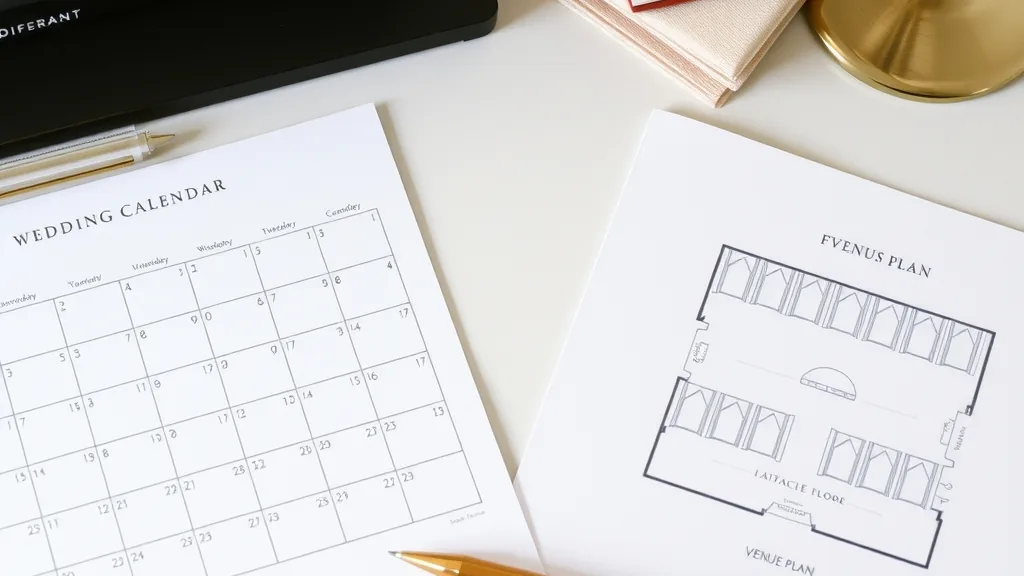
The Shape of a Twelve-Month Wedding Timeline
Twelve months is a comfortable runway for most weddings. Shorter timelines are possible, but they force decisions before research and usually cost more. The table below groups the work by phase; exact weeks matter less than keeping the sequence intact.
| Months out | Focus | Key tasks |
|---|---|---|
| 12–10 | Foundation | Budget, guest count range, venue shortlist, date options |
| 9–7 | Core vendors | Venue contract, photographer, caterer, officiant |
| 6–4 | Attire and design | Dress or suit, decor direction, invitations |
| 3–2 | Logistics | Menu tasting, transport, accommodation, registry |
| 1 | Final details | Seating plan, headcount, vendor schedule, payments |
| Week of | Execution | Rehearsal, packing, contact sheet, day-of timeline |
Months 12 to 10: Set the Frame
Agree the total budget and who contributes before touring venues. A venue that consumes half the budget leaves too little for catering, photography and music. Decide a guest range rather than a single number, because venue capacity and per-head cost both move with it. Shortlist five venues in the right capacity band instead of ten that vary wildly.
When comparing dates, ask about minimum spend rather than only the venue fee. Off-season and weekday dates can reduce cost substantially, and the saving often pays for a better photographer or band.
Months 9 to 7: Book the Core Vendors
Venue, caterer, photographer and officiant are the four bookings that constrain everything else. Confirm what each contract includes: service hours, staff meals, setup time, cancellation terms and overtime rates. A photographer who leaves after eight hours may miss the last dance, so match coverage to the day-of plan rather than to a package name.
Once the venue is fixed, ask for its floor plan and power access. Those two documents shape decor, lighting and entertainment choices later. Our destination wedding venues guide covers the extra questions that apply when guests travel.
Months 6 to 4: Attire, Design and Invitations
Order attire now. Alterations take longer than expected, especially in peak season, and a dress or suit that arrives late compresses every fitting. Choose the decor direction at the same time, because the palette affects invitations, flowers and table settings together.
Send save-the-dates as soon as the date and venue are confirmed, then invitations eight to ten weeks before the wedding. Include the response deadline two weeks earlier than you actually need it, and set up a single place where replies are recorded. Paper or digital, the tracking method matters more than the format.
Months 3 to 2: Logistics Take Over
This is when the plan becomes operational. Book transport for the couple and any guests who need it, block hotel rooms, and confirm the menu at the tasting. Decide whether speeches, first dance and cake cutting happen before or after dinner; the order changes the kitchen and photography schedule. If you are still choosing music, our list of wedding first dance songs is organised by mood and tempo.
The Final Month
Collect RSVPs, finalise the seating plan and give the caterer a confirmed headcount on the date the contract specifies. Send every vendor a one-page schedule with arrival times, contact numbers and the day’s key moments. Confirm final payments and gratuities in advance so nobody is handling envelopes on the day.
Build a packing list for the venue: licence or certificate, rings, readings, table plan, place cards, emergency kit, chargers and a change of shoes. Pack it two days early and hand it to one named person.
Week of and Day Of
Assign a point of contact who is not the couple. Vendors should call that person, not the bride or groom. Hold a short rehearsal, distribute the schedule and confirm the rain plan in writing if any part of the day is outdoors.
On the day, add buffer time before the ceremony and before dinner. Speeches and photographs almost always run long, and a fifteen-minute cushion absorbs the overrun without cutting the dancing. For context on the wider customs and structure of a wedding day, see Wedding on Wikipedia.
Tasks That Can Wait
Not everything belongs early. Favours, welcome signs, guest book details and small decor items can be handled in the last six weeks without risk. Keeping them out of the early phases leaves attention for the bookings that cannot be moved. If the workload is still too heavy, bringing in a professional is often cheaper than the overtime and mistakes it prevents; our piece on why couples hire a professional wedding planner explains where the leverage sits.
Keeping the Budget in Step With the Timeline
A wedding timeline only works if spending is reviewed at the same checkpoints, which is why the budget deserves its own row in the plan. At the venue stage, confirm the total committed against the budget; at the invitations stage, add postage and calligraphy; in the final month, reserve a contingency of five to ten percent for last-minute additions. Couples who track only at the start usually discover the gap when cancellation is no longer possible.
Keep one shared document with three columns: estimated, quoted and paid. Update it whenever a contract is signed, not when the invoice arrives. That single habit keeps the wedding timeline honest, shows which wedding timeline phases are already over budget, and makes it obvious which remaining categories still have room.
Frequently Asked Questions
How far in advance should you start planning a wedding?
Twelve months gives a comfortable runway for most weddings. Venues, photographers and caterers book earliest, so securing those in the first three months matters more than finishing decor decisions early.
What is the most important task in a wedding timeline?
Setting the budget and guest range before booking a venue. Both determine capacity, per-head cost and which vendors are realistic, and changing either later usually means renegotiating contracts.
What can be done in the last month before a wedding?
Seating plans, final headcounts, vendor schedules, payments and packing can all be completed in the final month. Favours, signs and small decor items also belong here rather than in the early planning phase.
Related reading: The 5 Point Checklist For Selecting Banquet Halls For A Wedding.

I'm Arjun, a Bali-based wedding organizer with over 5 years of experience in beach parties, live music, bridal makeup and catering. I share practical destination-wedding guides from real events. I have published 2,425 wedding guides here since 2022.



More Stories
10 Breathtaking Romantic Places to Get Married for an Unforgettable Fairytale Celebration
Create Timeless Beauty: Elegant Romantic Wedding Designs That Shine with Love
Enchanting Elegance: Romantic Wedding Invitation Ideas That Capture Everlasting Love